


Jamshedpur FC Withdraw From Indian Super League Amid Financial Crisis
by Devesh Jaganath | by Devesh Jaganath
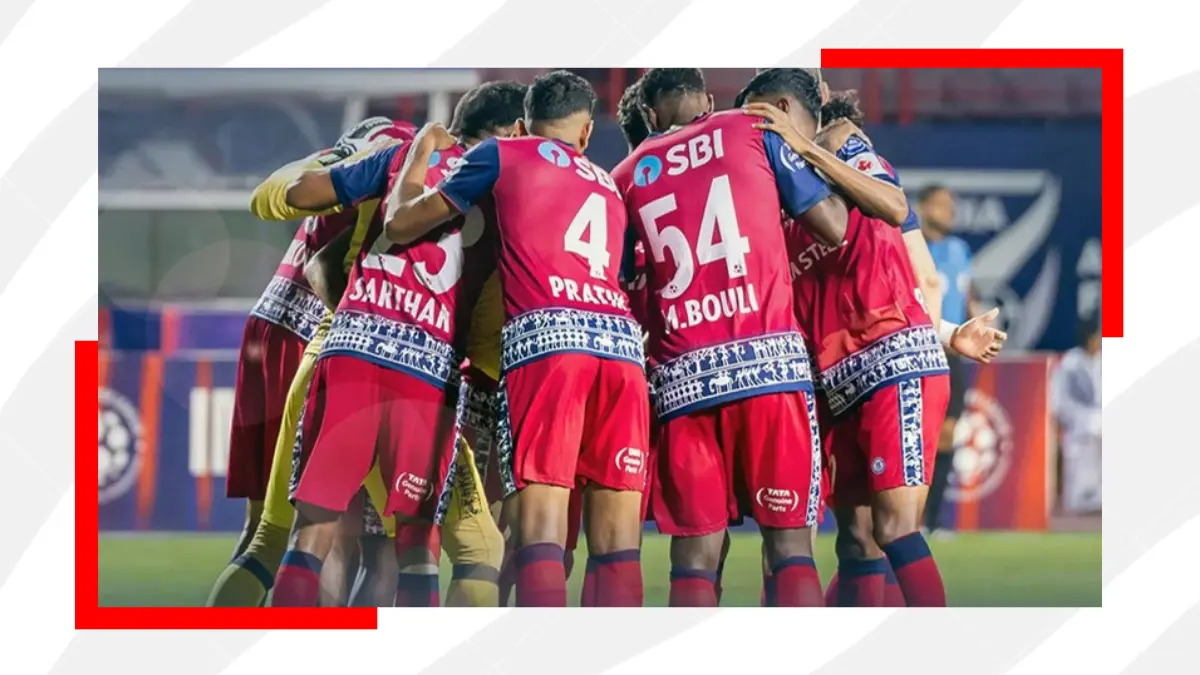

Men of Steel Miss ISL Participation Fee Deadline for 2026-27 Season
Jamshedpur FC confirmed on Friday morning that they will not participate in the upcoming Indian Super League (ISL) season, following their failure to meet the deadline for paying the mandatory participation fee ahead of the September kick-off.
The decision also comes at a time when the Indian top flight is grappling with broader questions surrounding its long-term commercial sustainability, governance framework, and the evolving relationship between the league and its member clubs.
In a statement, Jamshedpur Football and Sporting Private Limited (JFSPL), the Tata Steel-owned company behind Jamshedpur FC, reaffirmed its commitment to Indian football, saying it would continue to support the sport’s growth and development in other capacities.
It was reported that the Men of Steel had failed to meet the July 20 deadline set by the All India Football Federation (AIFF) for clubs to confirm their participation in the upcoming ISL season and pay the first instalment of the participation fee.
The club is still participating in the ongoing Durand Cup and made an impressive start, beating Defenders FC 5-0 to confirm our football predictions. Whether the Men of Steel continue their cup campaign following their ISL withdrawal remains uncertain.
Jamshedpur’s Withdrawal Another Red Flag For Indian Football
Jamshedpur’s exit is part of a much broader story unfolding in Indian football. Since the original Master Rights Agreement (MRA) between the AIFF and Football Sports Development Limited expired, the league has been navigating an uncertain commercial landscape that threatens its future.
The MRA, signed in 2010, served as the commercial and financial backbone of the ISL for more than a decade. Its expiry triggered lengthy negotiations over the future of Indian football, with several key issues still unresolved, including:
- Who will operate the Indian Super League
- How commercial revenues will be distributed among stakeholders
- What financial obligations participating clubs will be required to meet
- When and how promotion and relegation will be integrated into the league structure
If a club backed by one of India’s largest corporate groups believes the current environment no longer offers sufficient certainty, it is likely to increase pressure on the ISL’s administrators to establish a clear commercial direction and provide clubs with greater long-term stability.
