


Normalisation Committee Set to Oversee Nigerian Football Until May 2027
by Devesh Jaganath | by Devesh Jaganath
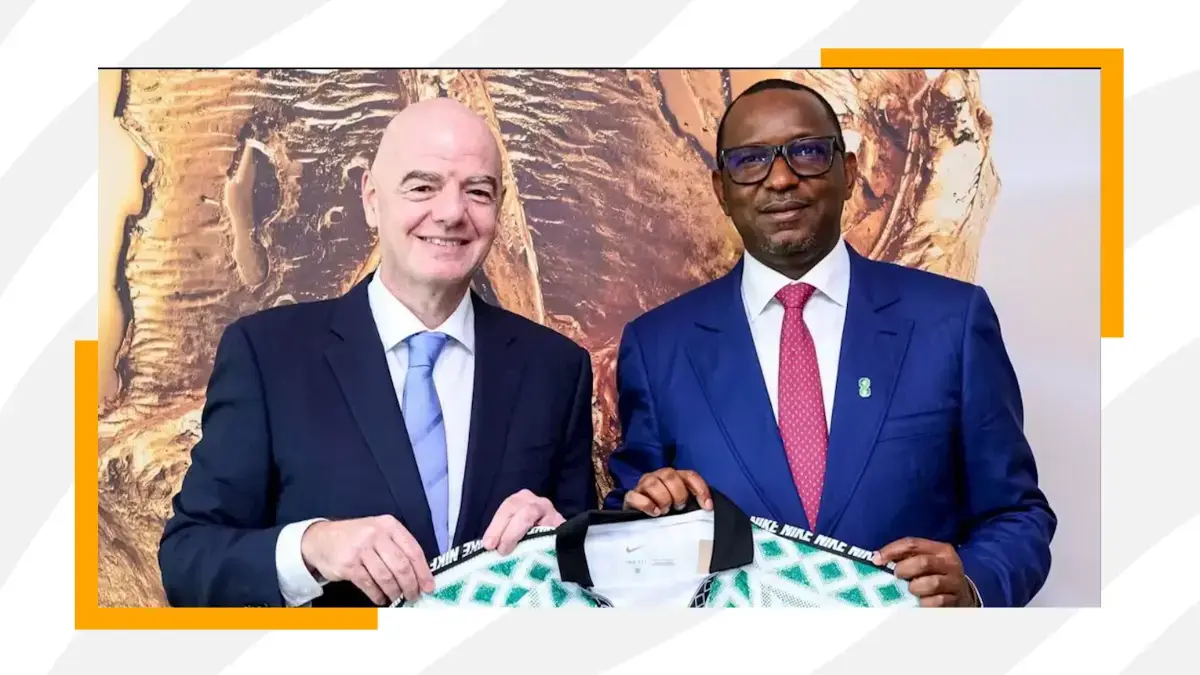

5 Priorities for New Normalisation Committee in Nigerian Football
Ahead of the Super Eagles’ November Africa Cup of Nations qualifiers, football’s governing body has approved a Normalisation Committee to run the Nigeria Football Federation (NFF) until Executive Committee elections are held next year.
The governing body’s Council Bureau approved the decision last Thursday, bringing an end to months of uncertainty surrounding Nigeria’s football leadership following the departure of now-former NFF president Ibrahim Gusau and several board members.
Here are the five key issues the incoming committee will need to address:
1. Restore stable leadership and organise elections
The immediate priority for the committee is to bring an end to the leadership uncertainty following the mass resignation of NFF President Ibrahim Gusau, General Secretary Mohammed Sanusi, and members of the federation’s Executive Committee on 27 August 2026.
2. Review the NFF electoral system and stakeholder representation
The distribution of voting power within the NFF Congress is likely to come under scrutiny, with calls for clubs, players, coaches, and referees to receive greater representation alongside state football associations. Any proposed electoral reforms must promote inclusivity without breaching NFF statutes.
3. Strengthen governance, transparency and financial accountability
The leadership crisis has raised fresh questions about the NFF’s governance and accountability. Reviewing its statutes, administrative procedures and financial controls could help address weaknesses and establish a more transparent structure for the incoming leadership.
4. Improve domestic competition and football administration
Wider challenges facing Nigerian football, from domestic league organisation to grassroots and youth development, are also likely to feature on the committee’s agenda. While reviewing existing regulations and admin structures could identify areas for improvement, the committee’s short tenure may limit its ability to implement lasting reforms.
5. Rebuild trust and protect the independence of Nigerian football
Restoring stakeholder confidence will also be central to the committee’s work, requiring open engagement with football representatives and impartial decision-making. Maintaining constructive relations with FIFA and CAF while protecting the NFF’s independence will also be important.
Improved Defence Needed by Super Eagles Ahead of AFCON qualifiers
The Nigeria national football team heads into the November Africa Cup of Nations 2027 qualifiers against Tanzania in need of better defensive performances, having failed to keep a clean sheet in their last five matches across all competitions.
This run included international friendlies against Russia (3-3), Portugal (2-1), and Poland (2-2), either side of their 2-1 victory over Madagascar and shocking 3-0 defeat to Guinea-Bissau in the first two AFCON qualifiers last month.
This record has piled the pressure on Eric Chelle to find ways to tighten his team up in defence. The head coach handed out nine international debuts against Russia in their last match, and that shake-up has done little to bring stability to the team’s back line.
Nigeria are heading into a crucial double header in the next two weeks, taking on Tanzania at the Godswill Akpabio International Stadium in Uyo on November 13 before facing the Taifa Stars again four days later in neutral Morocco, and we will be covering all the action in our AFCON 2027 predictions.
A major positive for the Super Eagles is that star striker Victor Osimhen is back in the squad after missing the October qualifiers through injury, while Kelechi Iheanacho is set for a national team return following an impressive run of form at Bursaspor.
