


Huge Blow for Mumbai as City Football Group Pull Out Amid ISL Uncertainty
by Geoffrey Ejiga | by Geoffrey Ejiga
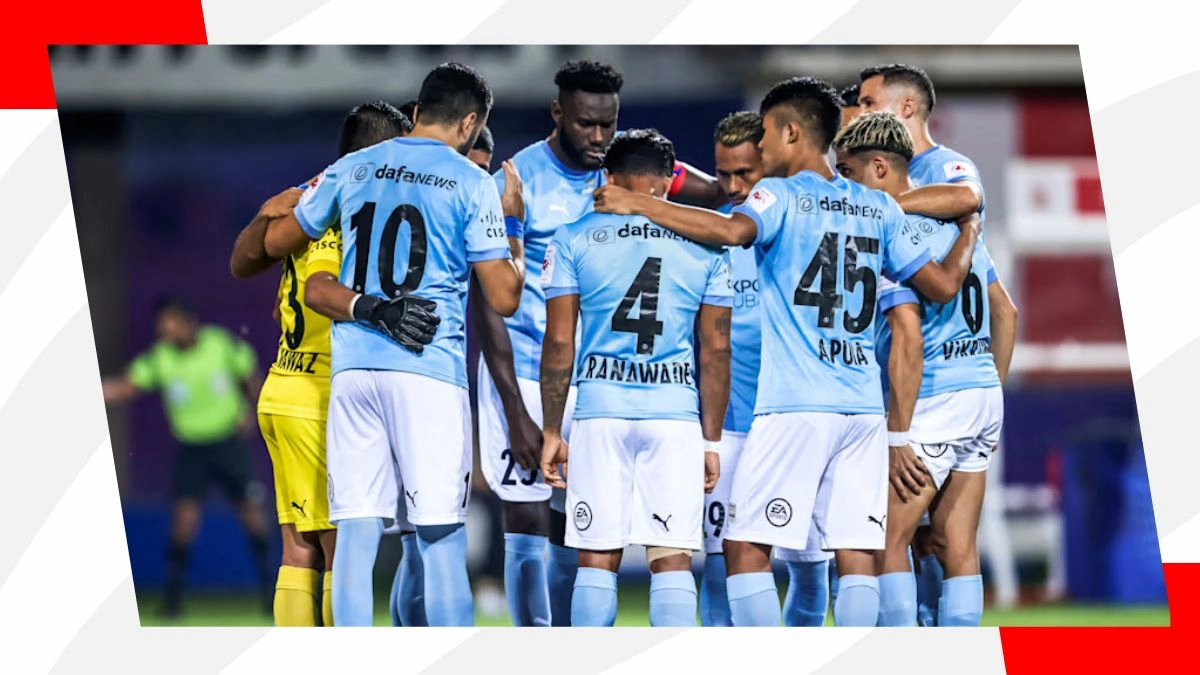
Six-Year Partnership Dissolves Over ISL Uncertainty
Not too long ago, the arrival of City Football Group in Indian football felt like a turning point for the sport in the second most populated country. Manchester City's global football empire acquiring a 65 percent stake in Mumbai City signaled that the Indian Super League had finally caught the eye of serious global investors who saw potential where others saw only problems.
And for a while, it worked beautifully. Mumbai City captured two ISL League Shields and lifted the ISL Cup on two occasions, becoming the first club to achieve the double in a single season back in 2020-21. They played with a philosophy, a structure, a professionalism that felt refreshingly different. They even became the first Indian club to win an AFC Champions League match.
Now CFG is gone. And just like that, six years of building something meaningful, reduced to a carefully worded statement about "comprehensive commercial reviews" and "ongoing uncertainty." The founding owners, Bollywood actor Ranbir Kapoor and businessman Bimal Parekh, have regained full control of the club they started. But what they've inherited is a team adrift in a league that doesn't even know when it will play next.
The Chaos That Drove City Football Group Away
It’s already January 2026 and the Indian Super League 2025-26 season has still not started. The worst part is there's no clarity on when it will. India's top-tier football league is now frozen in a bureaucratic nightmare that has left players, staff, and fans desperately searching for answers that never seem to come. Yet, the heart of the crisis is simple, even if the details are much more complex.
The Master Rights Agreement between FSDL and the AIFF expired in December, and a tender process for the league's commercial rights ended without receiving a single bid. The AIFF's demand for a minimum guaranteed amount of Rs 37.5 crore per year was commercially not viable, according to industry experts, since the ISL has been a “loss-making entity”.
For CFG, an organization that operates clubs across five continents with ruthless efficiency and long-term planning, this mess was unacceptable. In truth, it's difficult to build something sustainable when the league itself might not exist in its current form. Or when contracts expire without replacements and when the governing body can't attract a single bidder for its flagship competition.
If a global group with experience across Europe, Asia, Australia, and the Americas no longer sees value in staying, it raises uncomfortable questions about how Indian football is being run.
The players themselves have been reduced to pleading on social media. Indian footballers, including veterans who've given everything to the sport, shared a desperate joint statement urging authorities to simply let them play. Some clubs have suspended first-team activities, while others are struggling to pay salaries.
Mumbai City, one of the most successful clubs in ISL history, now faces an uncertain future without the backing, expertise, and global network that CFG provided. But Mumbai’s loss might have wider implications stretching far beyond the club’s four walls.
If the sport’s biggest global investors decide Indian football is too chaotic to navigate today, what message does that send to everyone else? The answer is anything but good. Unless something changes drastically, CFG’s exit amid the league's uncertainty might just be the beginning of worse things to come for Indian football.
