World Cup 2026: How Relevant is Domestic Form for Top Scorers?
by Bradley Gibbs | by Tyler Doty
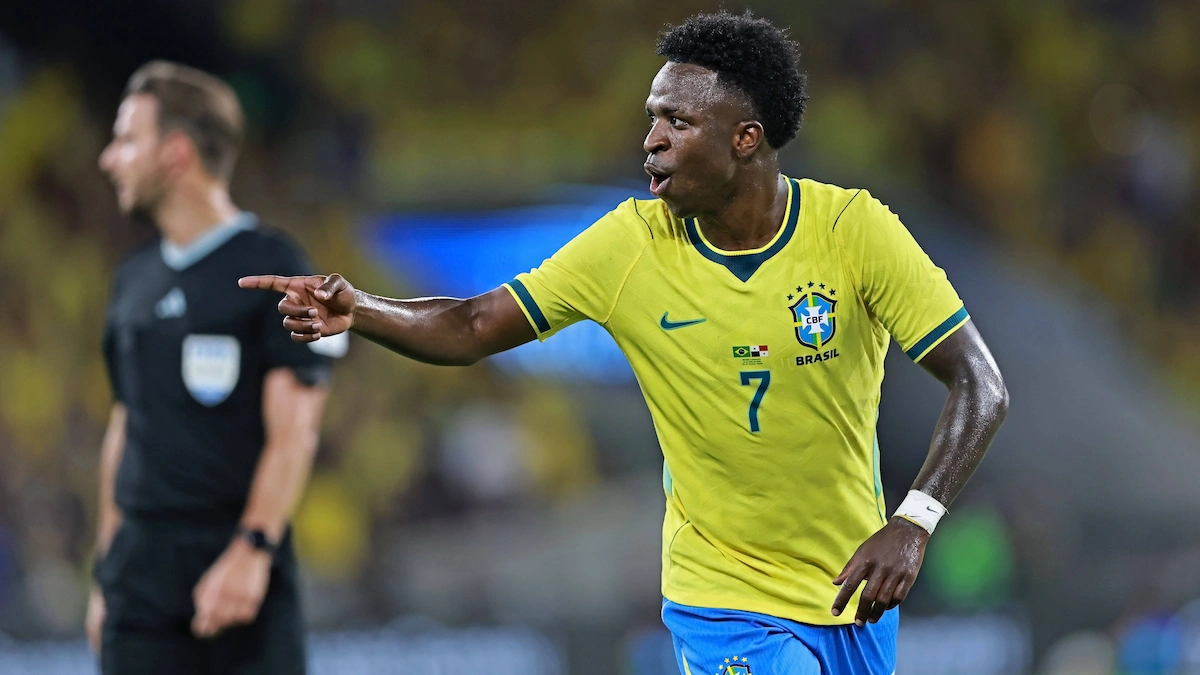

Is domestic form relevant at the World Cup?
The big names dominate the World Cup top scorer market, and it’s often dominated by players who have shown themselves to be regular scorers at club level, but is domestic form really relevant at the World Cup?
Have previous top scorers entered the tournament having acquitted themselves well in front of goal in the domestic season leading up to the World Cup? Have previous top scorers thrived on soccer’s biggest stage without much domestic form to build on? Let’s find out.
Previous World Cup top scorers and their domestic form
See below for how each World Cup top scorer this century performed in the season ahead of the tournament where they won the Golden Boot.
| Year | Top scorer | League goals scored (season directly before tournament) | League goals per 90 minutes (season directly before tournament) |
|---|---|---|---|
| 2022 | Kylian Mbappe | 12* | 0.79 |
| 2018 | Harry Kane | 30 | 0.88 |
| 2014 | James Rodriguez | 9 | 0.31 |
| 2010 | Thomas Muller | 13 | 0.39 |
| 2006 | Miroslav Klose | 25 | 1.05 |
| 2002 | Ronaldo | 7 | 0.95 |
*league goals scored at the time of the mid-season break for the World Cup
For the most part, since the turn of the century, the Golden Boot winner at the World Cup entered the tournament having been on fire domestically. The two exceptions are Thomas Muller and James Rodriguez, both of whom had decent-yet-modest goals-per-90 averages ahead of the World Cup.
Recent form of leading top scorer candidates at the 2026 World Cup
Now let’s take a look at the recent domestic form of those at the top of the 2026 World Cup top scorer market:
| Player | League | League goals scored (season directly before the 2026 World Cup) | League goals per 90 minutes (season directly before the 2026 World Cup) |
|---|---|---|---|
| Kylian Mbappe | LaLiga | 25 | 0.87 |
| Harry Kane | Bundesliga | 36 | 1.36 (career best) |
| Mikel Oyarzabal | LaLiga | 15 | 0.50 (career best) |
| Erling Haaland | Premier League | 27 | 0.82 |
| Vinicius Junior | LaLiga | 16 (career best) | 0.64 (career best) |
| Raphinha | LaLiga | 13 | 0.51 |
| Julian Alvarez | LaLiga | 8 | 0.38 |
| Lautaro Martinez | Serie A | 17 | 0.71 |
As the table above shows, most of those expected by the betting market to thrive in terms of goals at the 2026 World Cup performed notably last season, especially Harry Kane, Mikel Oyarzabal, Lamine Yamal and Raphinha, all of whom delivered career-best efforts in terms of goals per 90 minutes.
Recent form of notable longshot candidates ahead of the 2026 World Cup
Finally, below is the lowdown on the recent domestic form of some big-priced alternatives, players that for whatever reason may be flying under the radar a little, despite arriving in hot scoring form.
| Player | League | League goals scored (season directly before the 2026 World Cup) | League goals per 90 minutes (season directly before the 2026 World Cup) |
|---|---|---|---|
| Michael Olise | Bundesliga | 15 | 0.58 |
| Luis Javier Suarez | Liga Portugal | 28 (career best) | 0.94 (career best) |
| Igor Thiago | Premier League | 22 (career best) | 0.60 (career best) |
| Luis Diaz | Bundesliga | 15 (career best) | 0.55 |
| Donyell Malen | Serie A | 14* | 0.86 |
| Folarin Balogun | Ligue 1 | 13 | 0.52 |
*goals scored since joining Roma during the campaign
Is domestic form relevant?
OK, so is the domestic form relevant? Well, what recent history shows us is that the World Cup top scorer is highly unlikely to come out of nowhere, while it also shows us that more often than not, the top scorer at the World Cup enters the tournament off the back of, at the very least, a very strong domestic performance in terms of goals-per-game in the season directly before the tournament begins.